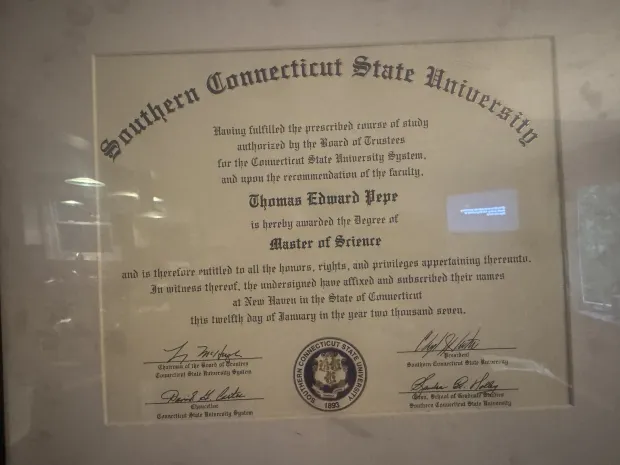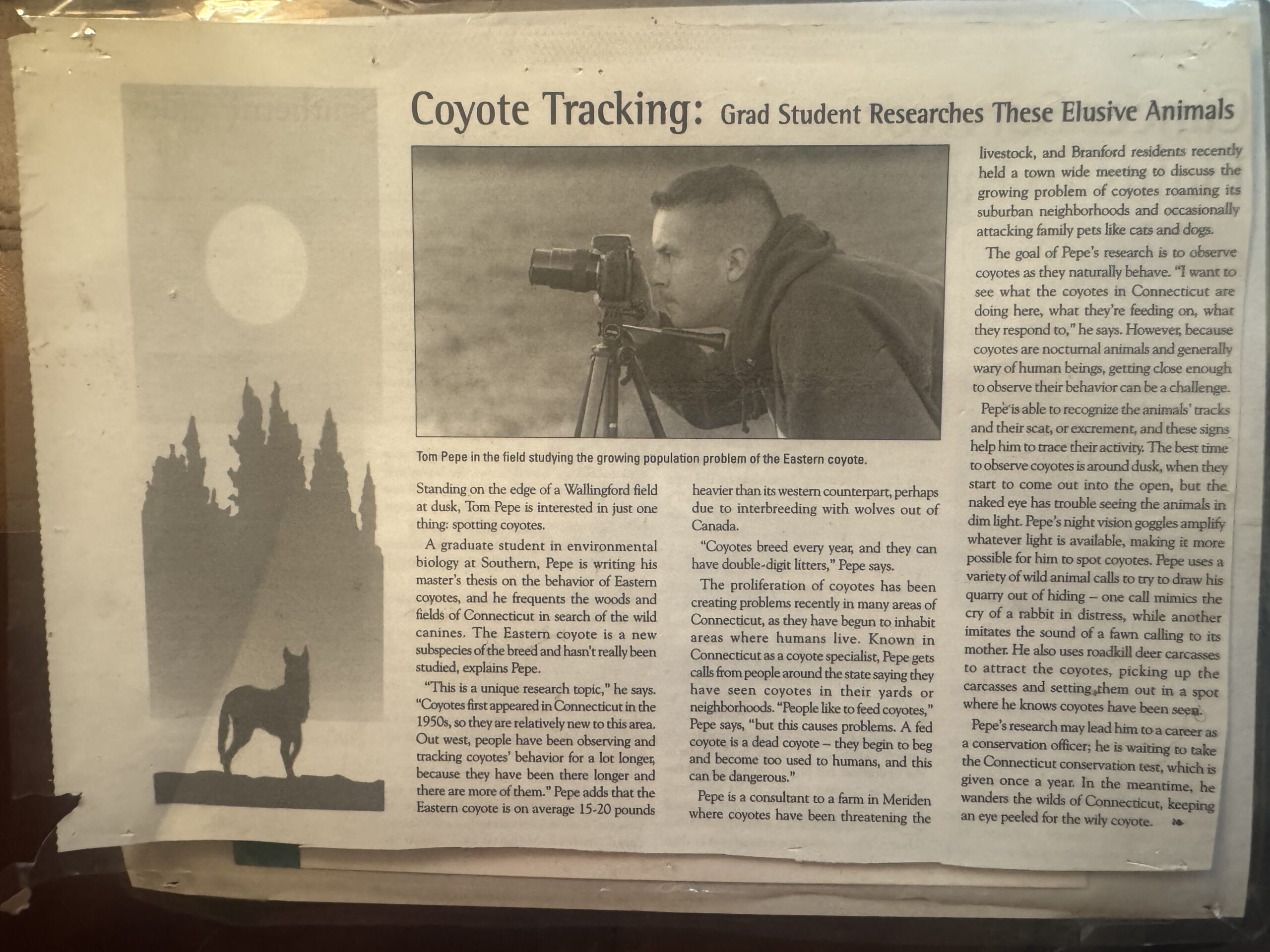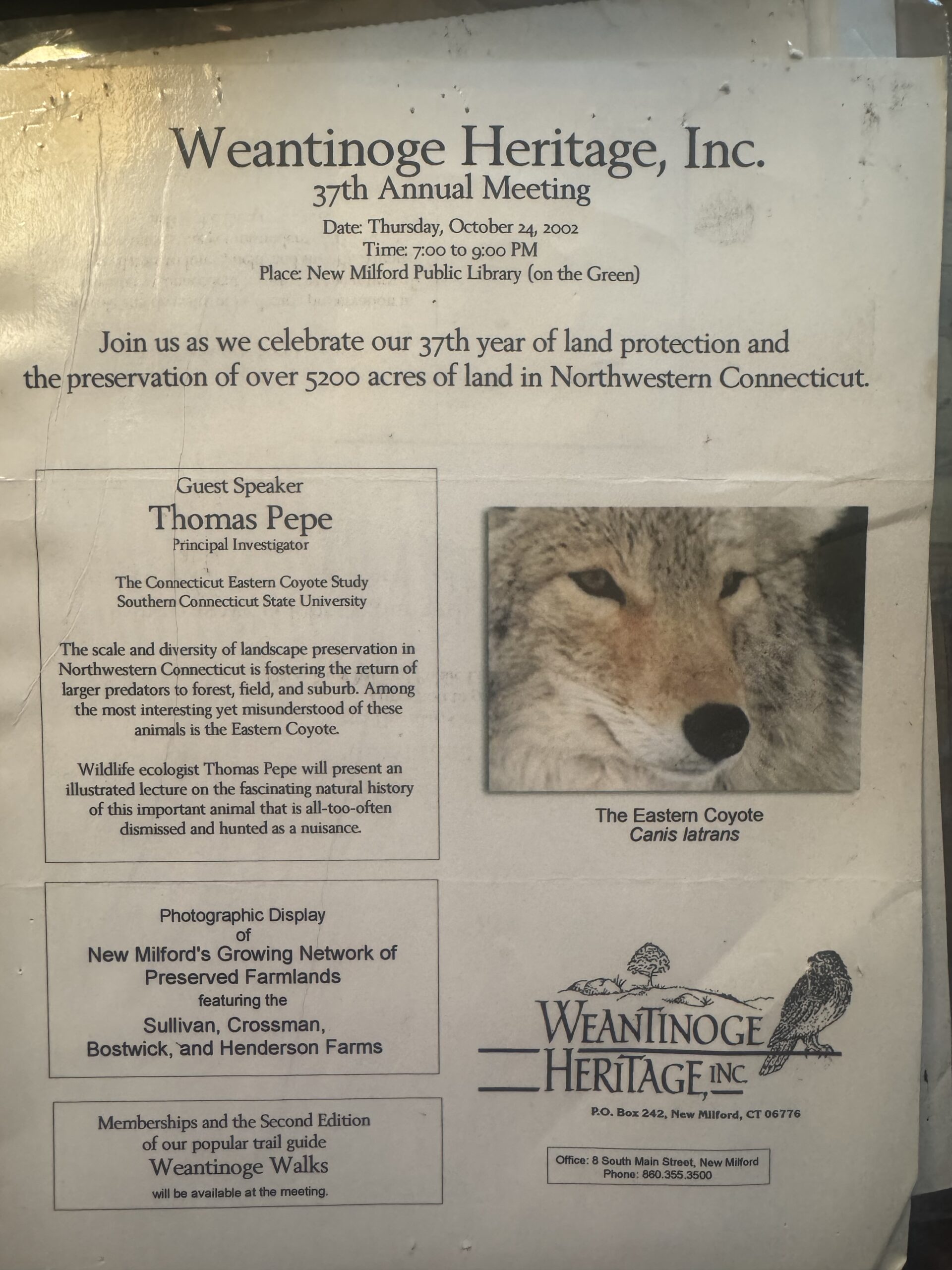
Wildlife has shaped my education, my career, and the way I approach every property I visit. I spent years in Connecticut’s forests, wetlands, farms, and suburban neighborhoods studying how wildlife adapts to changing environments. That experience still guides every recommendation I make today. I earned my Bachelor of Science and Master of Science degrees from Southern Connecticut State University, where I focused my graduate research on one of the Northeast’s most adaptable predators, the eastern coyote. My master’s thesis, Ecology of Coyotes in Connecticut, was the result of nearly five years of field research that combined wildlife biology with hands-on observation across central Connecticut.
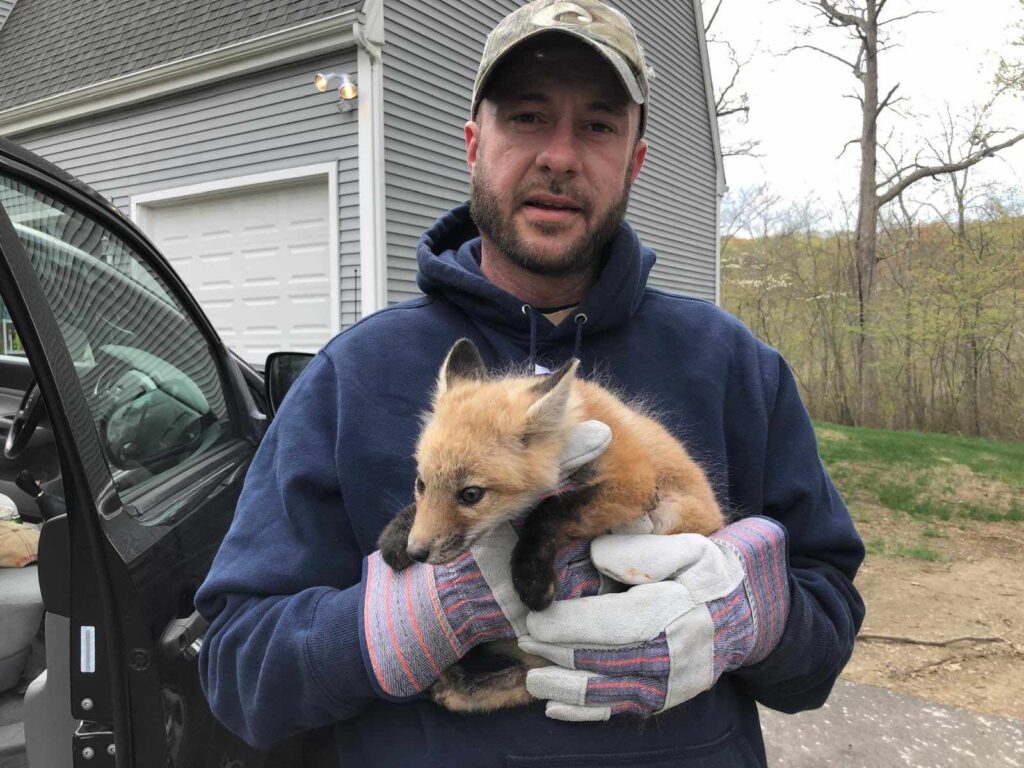
For more than 25 years, Thomas Pepe has helped Connecticut homeowners solve wildlife problems with one goal in mind: provide permanent solutions by understanding the animals first.
Long before founding Suburban Wildlife Solutions, Thomas spent years studying wildlife in the field, conducting scientific research, tracking animal behavior, and educating communities about Connecticut’s native species.
Today, that same research-based approach is applied to every wildlife inspection, every bat exclusion project, and every home his company visits. Rather than focusing on temporary fixes, Thomas believes successful wildlife control starts with understanding why an animal entered a property, how it behaves, and what needs to be done to prevent it from returning.
Whether it’s a bat colony in an attic, squirrels nesting inside soffits, or raccoons damaging a roof, every recommendation is based on decades of hands-on experience combined with formal education in wildlife ecology and environmental science.
That combination has helped more than 1,500 homeowners protect their homes while treating wildlife responsibly.
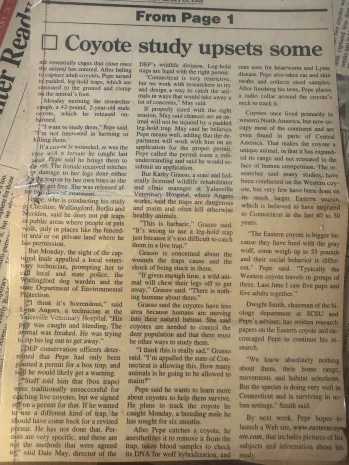
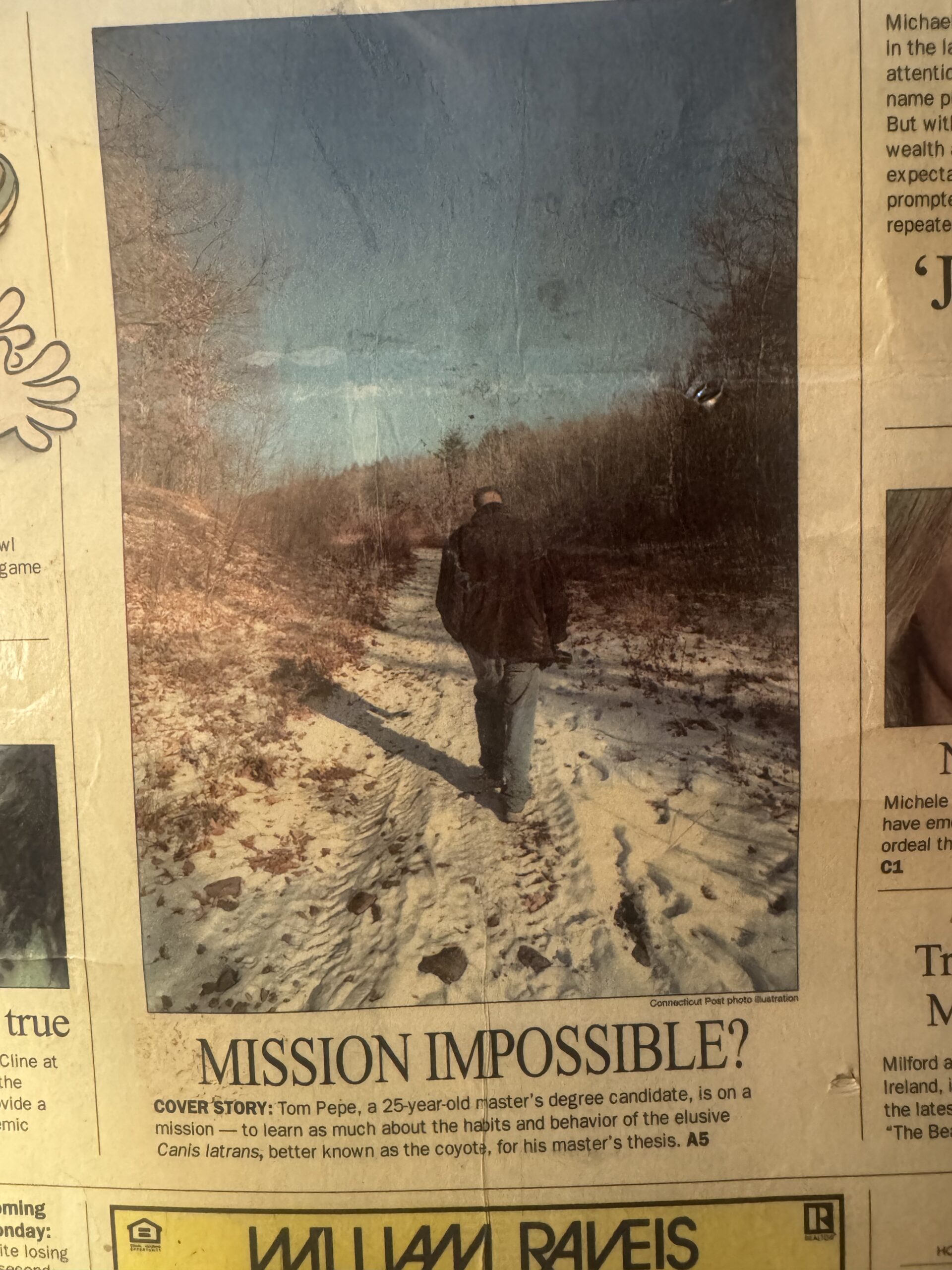
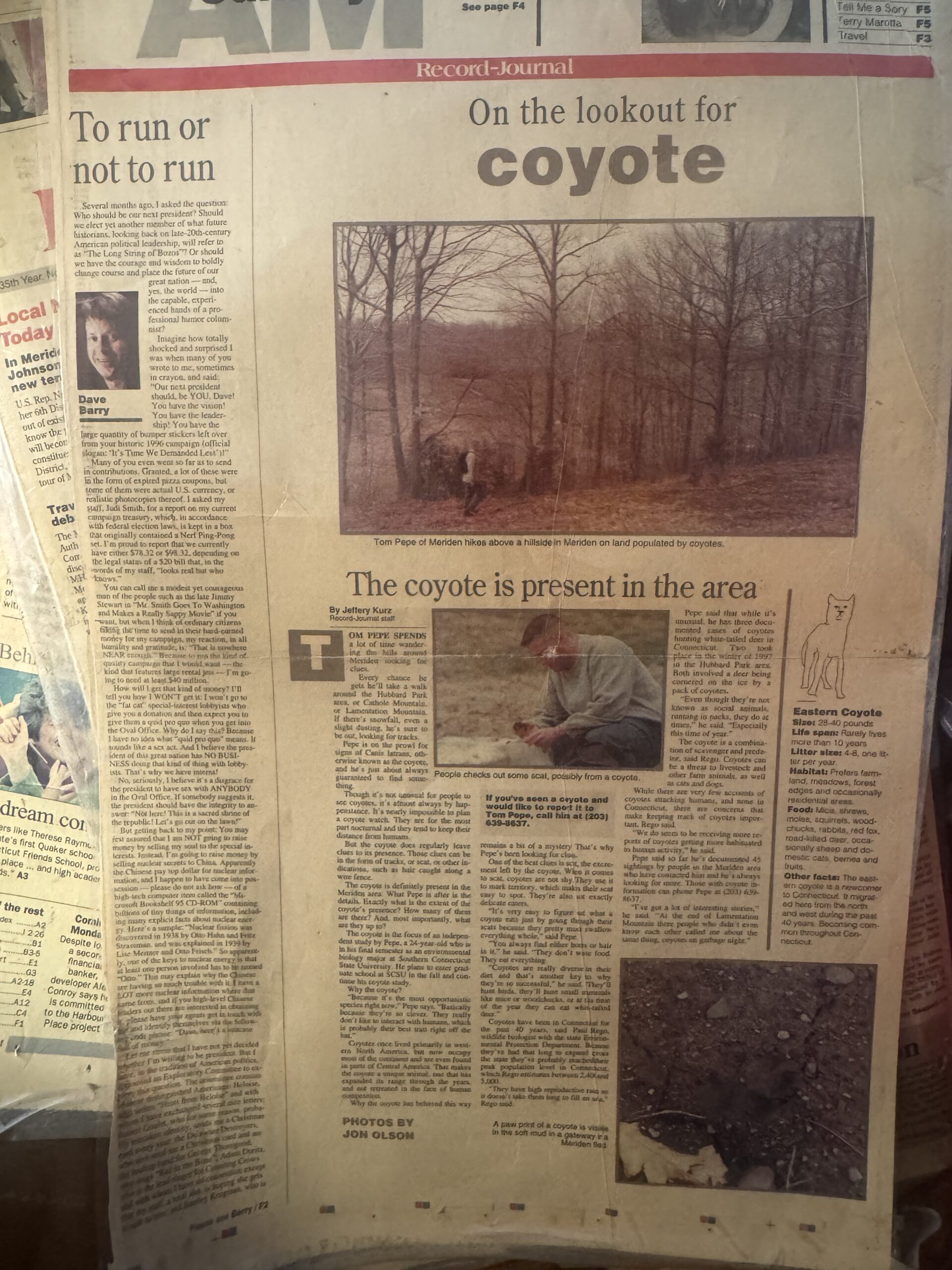
Wildlife biology isn’t something I learned only in a classroom. It was built through thousands of hours outdoors. During my graduate research, I tracked coyotes through forests, farmland, parks, and residential neighborhoods in every season. I followed snow tracks before sunrise, documented den sites, analyzed scat samples, monitored wildlife with infrared cameras, captured and radio-collared wild coyotes, and worked alongside veterinarians to safely collect biological data. I also conducted aerial telemetry from fixed-wing aircraft to better understand how coyotes move across Connecticut’s changing landscape. Those years taught me something that still defines my work today. Wildlife problems are rarely random. Animals respond to food sources, shelter, seasonal changes, and human activity. Understanding those patterns is often the key to solving conflicts without relying on guesswork.
Bachelor of Science: Southern Connecticut State University
Southern Connecticut State University
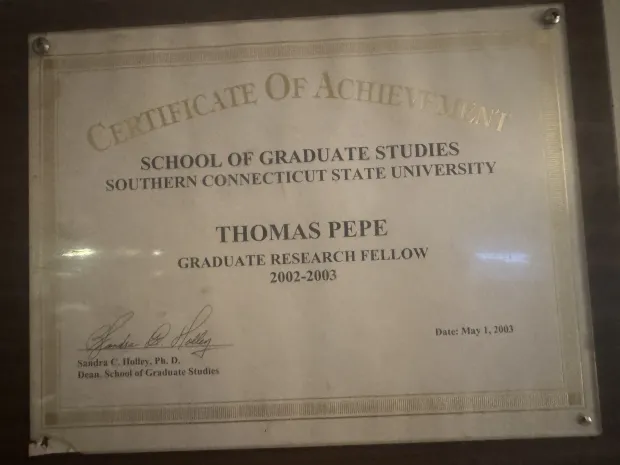
Graduate Research Fellow: 2002–2003 Academic Year
Eastern Coyote Research: Connecticut Field Studies
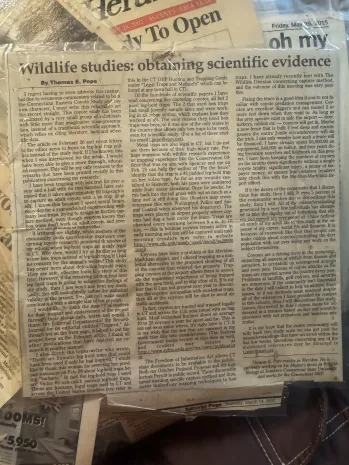
Thomas E. Pepe, Master’s of Science Thesis, Southern Connecticut State University, New Haven CT, 06515
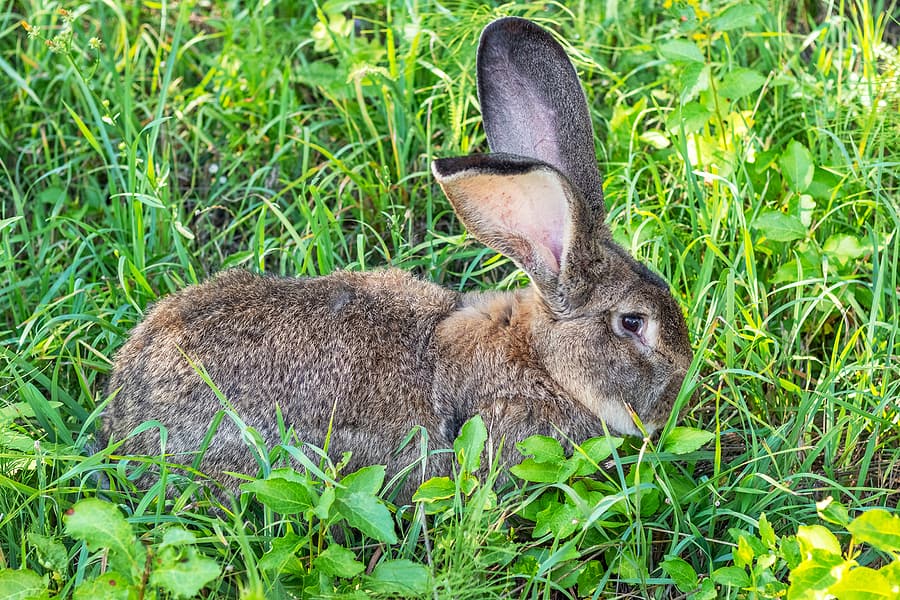
Every career has defining moments. For Thomas Pepe, those moments began long before Suburban Wildlife Solutions was founded
Thomas completed his Bachelor of Science at Southern Connecticut State University, building a strong academic foundation in environmental science and wildlife studies.
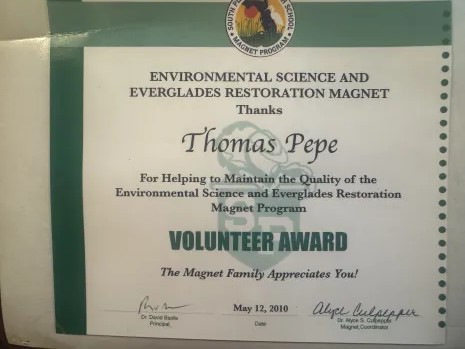
While continuing his education, Thomas was recognized for his volunteer work supporting environmental restoration projects and wetland conservation.
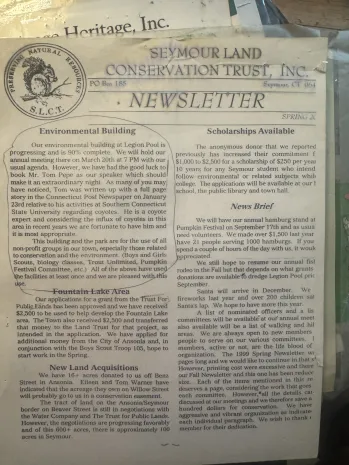
As the Principal Investigator of the Connecticut Eastern Coyote Study, Thomas was invited to speak at conservation organizations, sharing research findings about wildlife ecology.
Thomas received recognition as a Graduate Research Fellow while completing advanced research at Southern Connecticut State University. His graduate work focused on Eastern coyotes, including habitat use.
After completing his graduate research, Thomas earned his Master of Science degree. The advanced education and field experience gained during this time continue to influence the way wildlife issues are approached today.
More than two decades later, Thomas combines scientific education, field research, and practical experience to help homeowners throughout Glastonbury and surrounding Connecticut.
Thomas E. Pepe, Master’s of Science Thesis, Southern Connecticut State University, New Haven CT, 06515
The coyote is one of the few large mammals to successfully colonize new territory in modern times. First seen in the state of Connecticut in the 1950’s, the coyote had colonized the whole state by the 1980’s.
While Coyotes are fascinating to biologists due to their many unique adaptive characteristics, in recent years most Connecticut residents have had the opportunity to observe the coyote and its movements right in their own back yard. The presence of the coyote in both urban and rural habitats, along with its unique biotic aspects and behavior, make it one of most notorious and intriguing wildlife residents of the state.
The coyote is a mid-sized predator of the family canidae, and is closely related to the wolf, jackal and domestic dog. It received its name from the Aztecs of Mexico who called it “coytle”, meaning song dog. The coyote’s scientific name Canis latrans in Latin literally means barking dog, and was revered in Mexican and American Indian folklore as an earth-spirit of intelligence and perseverance. (Peterson, 1990) The coyote is shy and very intelligent. It is renowned for it’s ability to adapt to almost any habitat. The coyote, in spite of disappearing habitat, changing ecosystems, and a long history of persecution from man, seems to be reclaiming old territories along with establishing new ones.
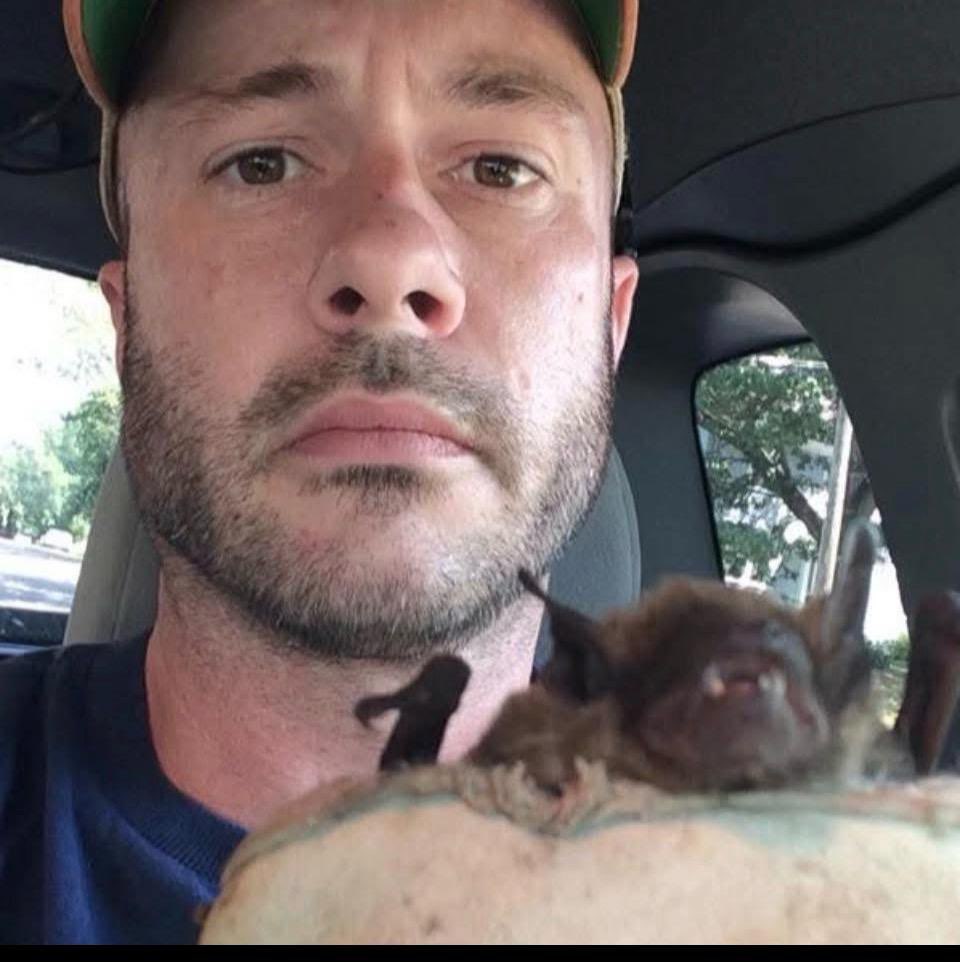

My commitment to wildlife science has continued beyond graduate school. I have served as a Graduate Research Fellow at Southern Connecticut State University and have worked in environmental science education, helping students better understand wildlife and natural ecosystems. My work has also included environmental conservation projects and volunteer efforts supporting science education programs.
Learning continues to be an important part of my work because wildlife behavior, environmental conditions, and human development are constantly changing.
After completing my graduate work, I wanted to apply that knowledge where it could make a direct difference for homeowners, property managers, and businesses. That’s why I founded Suburban Wildlife Solutions.
Every property presents a different situation. A raccoon in an attic, bats in a home, coyotes near a neighborhood, or repeated wildlife activity around a business all require understanding why the animals are there before deciding how to address the problem.
My background in wildlife ecology helps me look beyond the immediate issue. Instead of simply removing an animal, I focus on identifying the conditions that attracted it in the first place. That approach helps create longer-lasting solutions while respecting both the property owner and the wildlife involved.
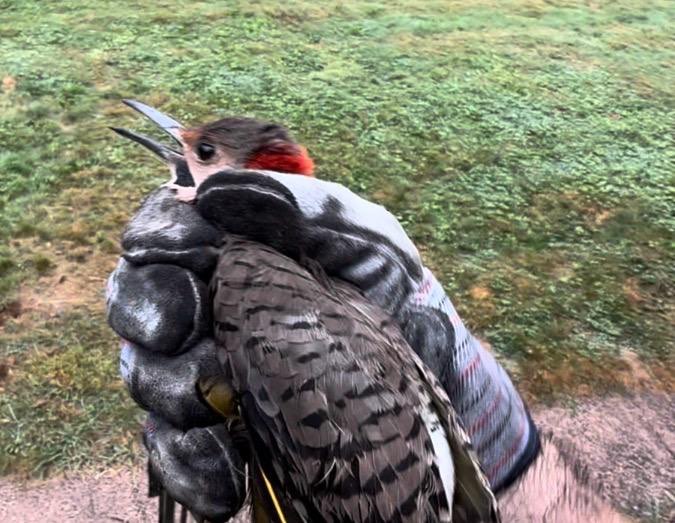
Today, I continue to work throughout Connecticut, helping people resolve conflicts with wildlife through practical, science-based solutions.
Whether the issue involves nuisance wildlife, animal behavior, habitat concerns, or property inspections, my goal is always the same: provide honest recommendations based on observation, experience, and biological understanding rather than assumptions.
Every recommendation I make is shaped by years spent studying wildlife where it actually lives, not just where it’s described in textbooks.
I founded Suburban Wildlife Solutions to bring field biology into practical wildlife control. When an animal enters a home, damages a structure, occupies an attic, or repeatedly appears around a property, removal may be only one part of the response. The larger question is why that animal chose the site. I look for the conditions behind the activity: