A wildlife problem usually starts before you notice it. The first sign may be scratching above the ceiling, droppings near stored food, a bird nest inside a vent, or damage along the roofline. By then, an animal may already know how to enter the building. At Suburban Wildlife Solutions, I start by identifying what is active, where it is moving, and what the property is giving it. Shelter matters. So do food, water, weather, and the condition of the structure. Some properties need exclusion. Others need removal, repairs, pest treatment, or several steps completed in the right order. I do not begin with a package. I begin with the evidence.
I founded Suburban Wildlife Solutions to bring wildlife biology into practical property work. My graduate research focused on the ecology of eastern coyotes in Connecticut, and involved field observation in forests, wetlands, farms, and suburbs across the state for years. That work taught me to look for the reason behind animal activity. I use the same habit when inspecting bats, birds, rodents, nuisance wildlife, property damage, and pests.
Animals rarely enter a building by chance. They are usually searching for shelter, warmth, food, or a protected place to raise their young. A loose soffit may be enough. So can a damaged roof vent, an open chimney, a foundation gap, or a worn section of the exterior. Many of these openings are easy to miss from the ground. Most property owners do not spot them until they hear movement or find visible damage. Getting the animal out only addresses part of the problem. I also look at how it entered, what allowed it to remain there, and what should be changed once it is gone. That is what separates a temporary response from a more lasting solution. That is how I approach every inspection.
Bats are protected wildlife, so exclusion work must be handled carefully and humanely. I locate the areas they are using, install exclusion devices when appropriate, and secure the structure after the colony has safely left.
Wildlife can leave behind torn insulation, contaminated spaces, chewed materials, and damaged entry areas. Once the animals are gone, I repair the affected parts of the structure and address openings that could allow wildlife back inside.
Birds often nest inside vents, beneath roofing materials, behind signs, or within commercial structures. These nesting areas can create sanitation concerns and ongoing damage. I removed the problem while also addressing the conditions that made the location suitable for nesting.
Some pest activity begins inside the building rather than outdoors. Insects and other pests may be drawn to excess moisture, structural openings, or conditions left behind by wildlife. I identify those contributing factors and provide a practical control plan.
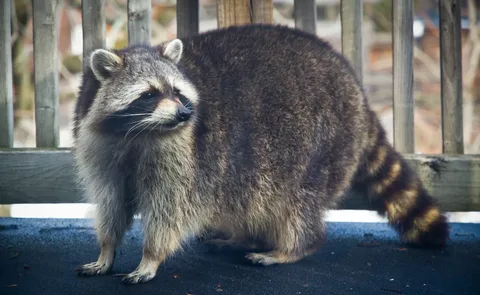
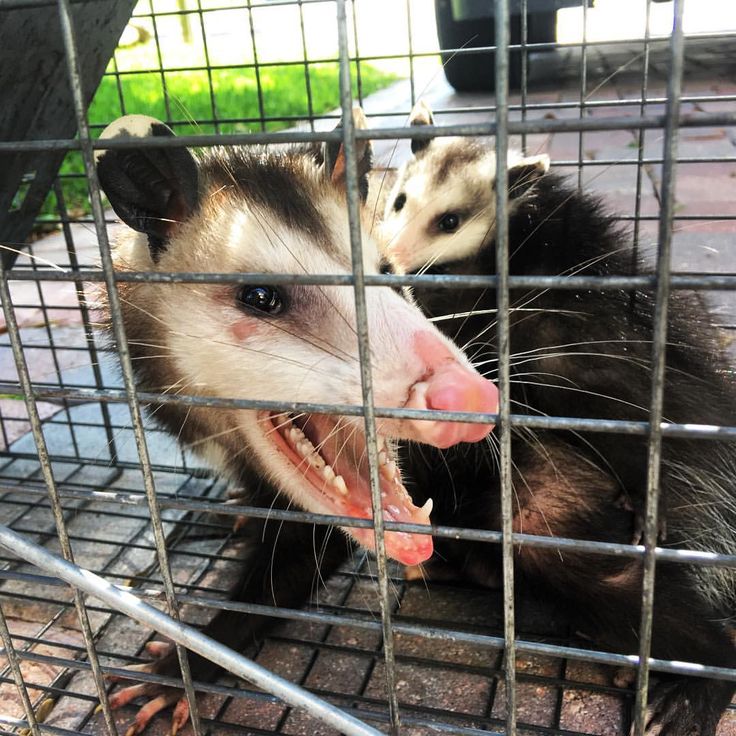
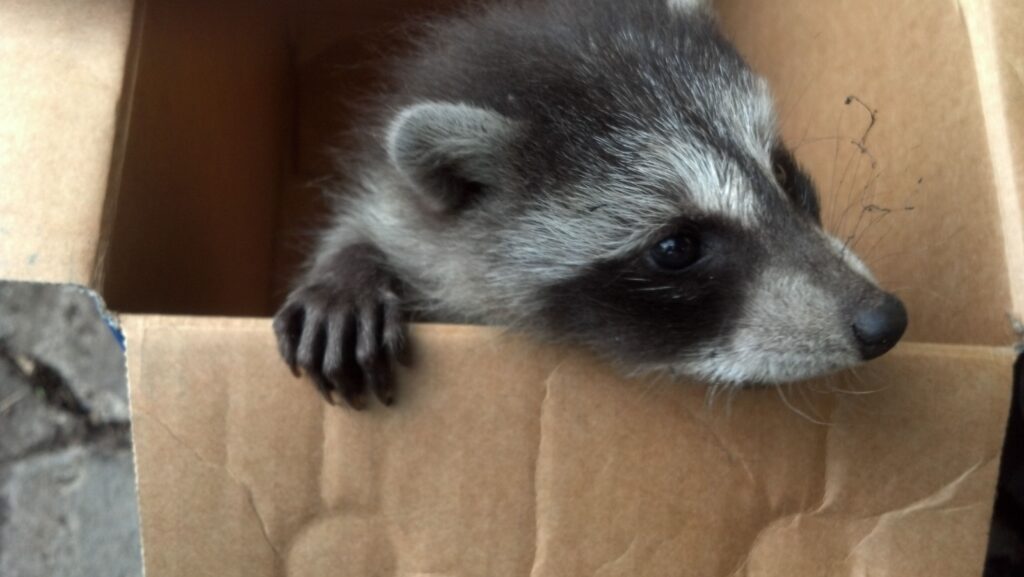
Raccoons, squirrels, skunks, opossums, and other nuisance animals do not behave the same way. Their nesting habits, movement patterns, and responses to a property vary. Understanding those differences helps me choose a suitable solution instead of applying the same method to every species.
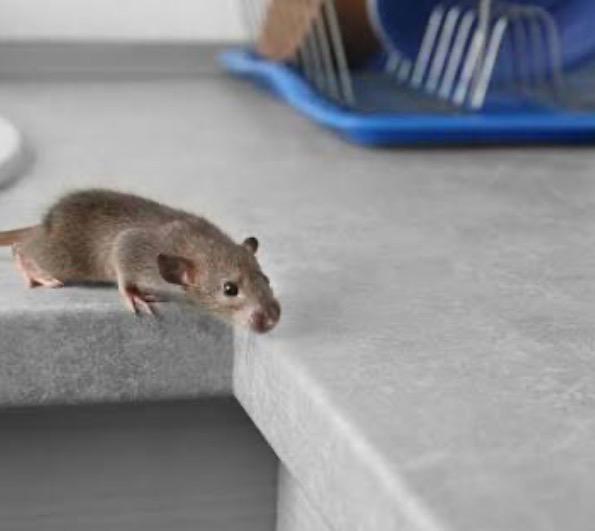
Mice and rats can squeeze through openings that are easy to overlook. Effective exclusion starts with finding those gaps, sealing them with suitable materials, and correcting conditions that may be encouraging continued rodent activity.
The inspection can be conducted in the attic, roofline, foundation, crawl space, vents, surrounding trees, or storage spaces. I search for tracks, droppings, staining, chewed items, openings, worn paths, and nesting debris. Some signs are obvious. Others only make sense together. Afterward, I explain what I found and what each recommendation is meant to address. You should know which issue needs attention now, which repair supports prevention, and whether another service belongs in the plan.
You will not receive a recommendation based only on the animal you happened to see. I consider the construction, surrounding habitat, season, and the evidence left around the property. Sometimes removal is enough. Sometimes exclusion or repairs need to follow.
I will tell you which is which. You get a reason for each step. That makes it easier to decide what the property needs now and what may reduce another problem later.
The different habitats found on wooded lots, wetlands, stone walls, older trees, older buildings, newer subdivisions, and commercial buildings offer differing points of interaction with wildlife. The season changes the pattern. Cold weather pushes rodents toward shelter. Spring and early summer bring nesting and young. Storm damage, roof wear, settling, and maintenance gaps may turn a quiet part of the building into an entry route. Two homes on the same road may need completely different work.
The first symptoms of wildlife and pest issues are frequently just a portion of the problem. If the vent becomes damaged, a noise in the attic may result. If droppings are found in one cabinet, it could indicate wall movement. When something seems wrong, smells or looks wrong, or sounds wrong, begin by taking a look. Suburban Wildlife Solutions will be able to diagnose what is occurring, share the facts, and provide you with the service to meet your Connecticut property’s needs.