
Effective pest control starts with understanding what attracted them. At Suburban Wildlife Solutions, I look beyond the insects sitting in plain sight. I want to know what brought them onto the property and what keeps them there. Finding those conditions gives me a clearer way to deal with the activity now and lowers the chance of facing the same problem again.
Pest control should not leave you wondering what was treated or why. I explain which pest is present, where the activity is concentrated, and what may be allowing it to continue. You will also know which changes are worth making around the property. That may involve moisture, food storage, mulch, vegetation, doors, vents, or another condition connected to the activity. The recommendation stays tied to what is happening at your home or business. You get a clear reason for each step, along with a better understanding of what could bring the problem back.
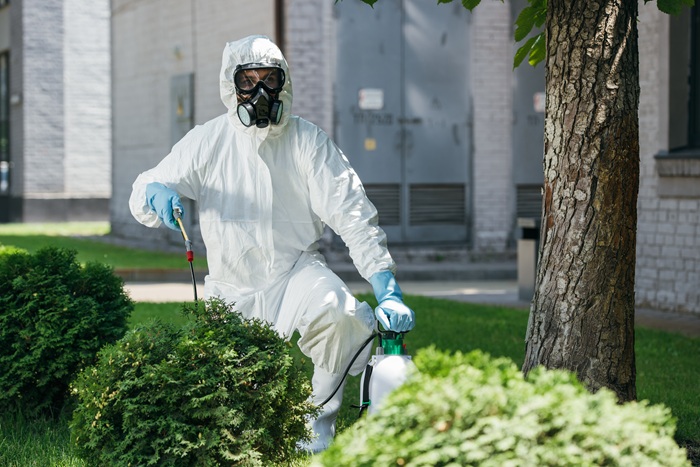
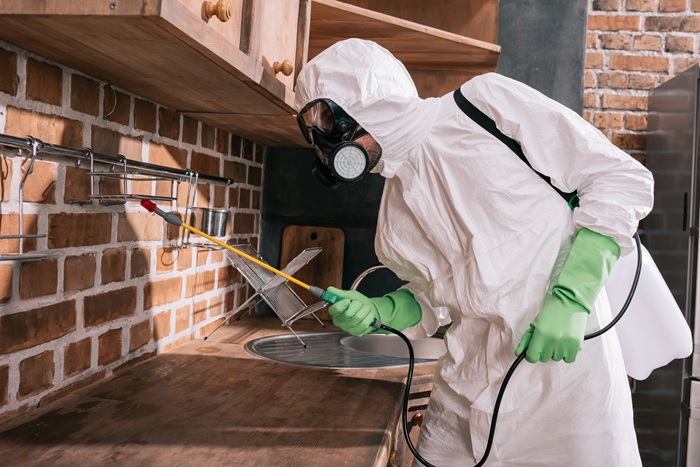
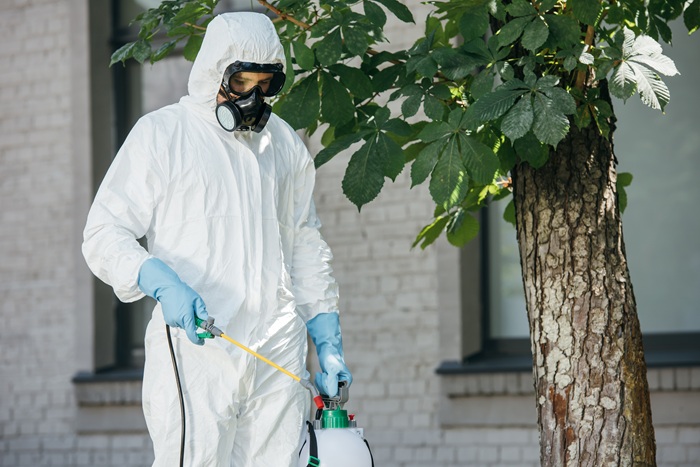

Connecticut properties deal with different pests as the weather changes. Some appear for only part of the year. Others can remain active indoors through every season. Suburban Wildlife Solutions helps manage problems involving Ants, Wasps and hornets, Spiders, Cockroaches, Silverfish, Pantry pests, Fleas and ticks, Stinging insects and Other common household pests.
We’re here to help with all your wildlife and pest control needs—fast, reliable, and professional.
Either kill the visible insects in order to quell the issue temporarily or visits a physician. It does not remove what attracted them. Water collecting near the foundation can support pest activity. So can gaps beneath doors, open utility penetrations, heavy mulch, crumbs, standing water, and thick plants against the house. Older buildings may also develop cracks as materials settle or weather over time. I do not stop at the room where the pest was found. I look at the rest of the structure and the ground around it because the cause may be several feet away from the visible activity.
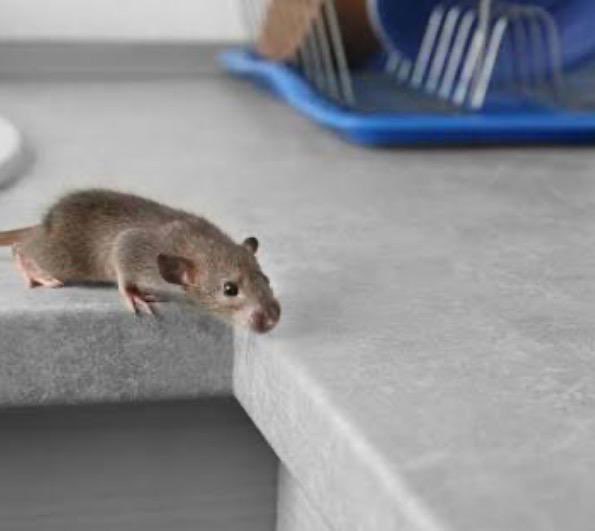
Pest pressure shifts with Connecticut weather. Spring is the time of the year when temperatures rise, and the ground is moist, along with ants, termites, and stinging insects. Yards, decks, and entryways attract more wasps, flies, mosquitoes, and outdoor insect activity during the summer.
Autumn changes the pattern again. Once the nights begin to get cooler, insects start to explore cracks, vents, gaps in walls, and other protected spaces where insects can overwinter for the winter. Some insects and rodents may be forced deeper into a house or commercial building in the winter. The season tells me where to look. It also affects which preventive steps make sense.
A house beside woods may deal with very different insect activity than one surrounded by open lawns and little tree cover. That might seem like common sense, but it changes the inspection. Crawl spaces, stone foundations, older construction, and other features can produce hiding or feeding areas for pests. New buildings indeed have vulnerable areas as well: around doors, exterior trim, unfinished gaps, and utility areas. I inspect the structure and surroundings when it’s being inspected. It’s not a recommendation based on the treatment plan I select before I arrive; it’s based on those details.
Before founding Suburban Wildlife Solutions, I spent years studying wildlife ecology across Connecticut. Field research taught me to watch first and decide second. I use the same habit with pest control.
The insects visible today are part of the evidence. I also check moisture, food, entry points, nesting areas, exterior materials, and the route the pests may be using through the property. Treating the visible activity has value. Finding the conditions behind it often tells me how the problem started and why it keeps returning.
Pests invade houses for food, water, warmth, moisture and shelter. Cracks, vents, gaps around doors, plumbing openings, and any other openings can provide easier entry.
They frequently come back due to wetness, food, shelter, or entry into the area. Treatment handles current activity, while correcting those conditions helps reduce repeated pest problems.
Yes. During warm weather, some insects are active, and in the autumn and winter they seek refuge indoors when the outside temperatures drop and covered harborage is more difficult to find.
They can. Settling, worn materials, foundation cracks, loose trim, and old utility openings may give insects and rodents more ways to enter the building.
No. There is a possibility that a small amount of visible activity could be the initial sign of a larger problem. Finding and addressing the source becomes easier if it’s found early.
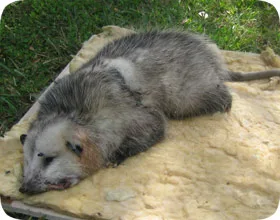
Take the first step toward a wildlife-free home or business. Our team at Suburban Wildlife Solutions LLC is ready to handle all your wildlife control needs with professional and humane solutions. Whether it’s bat removal, squirrel control, or bird management, we are here to help!