At Suburban Wildlife Solutions, I provide nuisance animal control by observing what animal is involved and why your property caught its attention. Food, shelter, an open crawl space, or one loose vent can be enough. Once I understand the cause, I can recommend a response that fits the animal and the property. No stock answer works everywhere. Got a Wildlife Problem? Get a Professional Assessment.
Connecticut gives wildlife plenty of places to live. Wooded lots, stone walls, wetlands, sheds, decks, and older rooflines all offer cover, especially when the seasons shift. Suburban Wildlife Solutions helps address problems involving:
Animals leave evidence, even when you never see them. A few tracks near the shed, dirt pushed away from the foundation, or scratching after dark can say quite a bit. Then come the messier signs: droppings, burrows, torn trash bags, nesting material, flattened grass, or a narrow path that cuts through the brush and appears again the next morning. Rub marks can reveal an opening. I look at the whole pattern, not one sign by itself. The location, age, and direction of those marks help show which animal is present and how it is using your property.
We’re here to help with all your wildlife and pest control needs—fast, reliable, and professional.
The same yard can look very different to an animal from one season to the next. Spring brings denning and young. Summer puts more pressure on food and water. By autumn, many species are checking attics, sheds, crawl spaces, and other dry places before cold weather arrives. Cold weather narrows their choices. That shift can bring wildlife close to a house during long periods of snow or freezing temperatures, even when the property has been quiet for years.

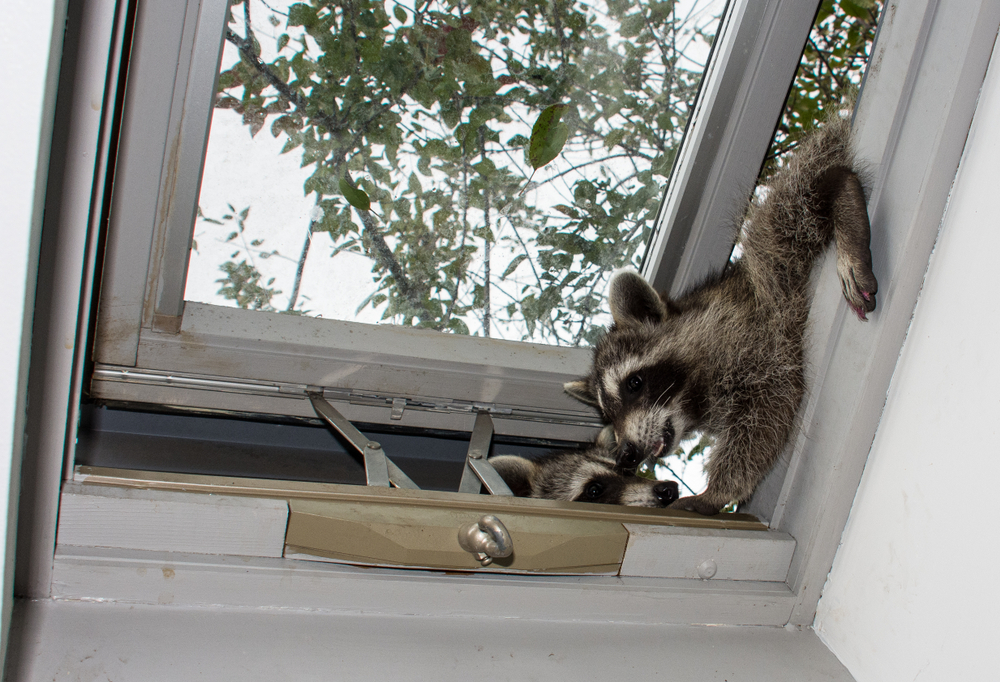
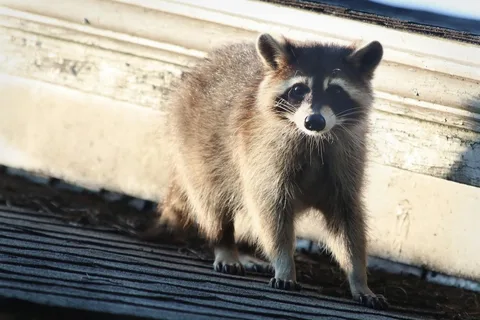
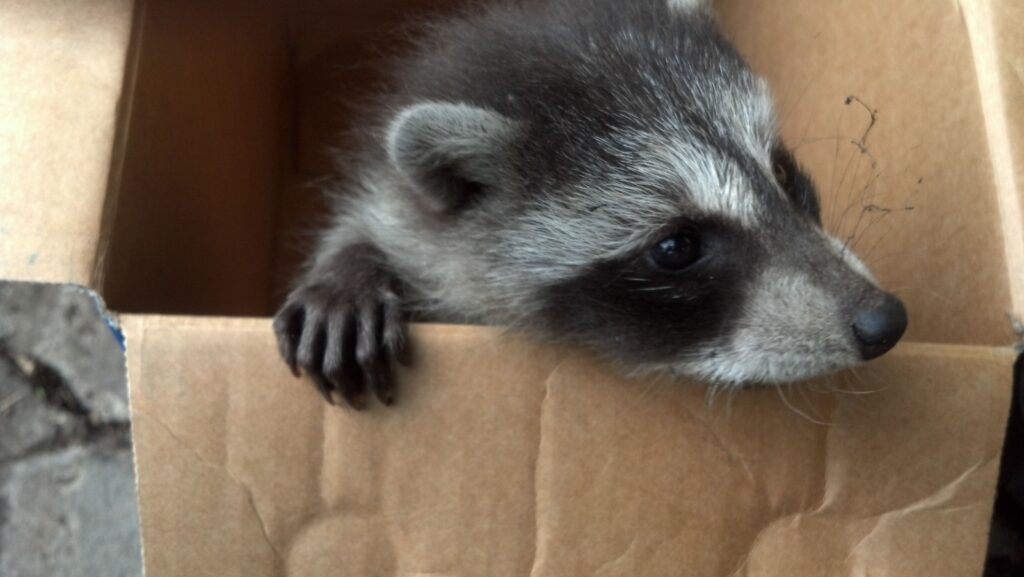
Seeing the animal tells me where to begin. It does not always explain the problem. A raccoon returning to the roof may have already found a loose soffit or another opening into the attic.
A skunk digging beside the foundation may be hunting grubs under the soil. Squirrels crossing utility lines may be using a nearby tree as the last step to your roof. I check those connections. Vegetation, roof edges, openings, food, and worn travel paths often explain why the visits keep happening and what needs to change.
Wildlife biology is not separate from the work I do now. Before starting Suburban Wildlife Solutions, I studied animal movement, habitat choice, den sites, and the way wildlife adjusts to Connecticut neighborhoods. That background taught me to slow down and read what is there.
A track, a damaged vent, or a burrow only makes sense when you consider the animal behind it. So I look at how the species moves, what it is using, and where the property sits in that routine. My recommendation comes from those observations, not a preset script.
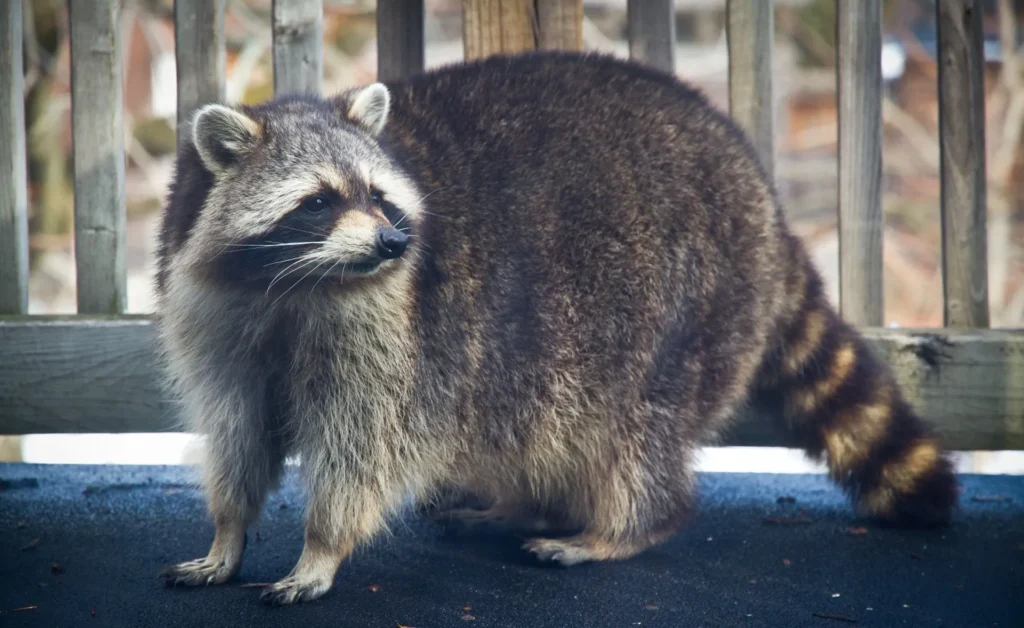
Removal may settle today’s problem. It does not remove the food, shelter, or opening that brought the animal there. I may find an open vent, outdoor food, brush, or space beneath a deck. Sometimes the fix is maintenance. Other times, a route the animal keeps using needs to be blocked. Wildlife will still pass through. You can make your home less useful for feeding, hiding, or denning.
Connecticut is full of natural travel routes. Stone walls, streams, wet ground, mature trees, and strips of woods connect one shelter area to another. Buildings add opportunities. A shed floor, crawl space, deck, chimney, or worn roof edge can give an animal cover once weather or age opens a gap.
That is why two houses on the same street can end up with completely different wildlife problems during the same season. One detail may change the pattern. Don’t guess what’s living on your property. Let a wildlife biologist identify the clues before the damage gets worse.
When an animal gets into a home or business, people usually want two answers before anything else. What is it, and why did it choose this place? The inspection is built around tracks, damage, entry points, shelter, and the animal’s movement through the property. My background in wildlife biology and Connecticut field research helps me read those details without jumping to conclusions.
Then I explain what I found. You hear what the evidence suggests, what I think should be done, and why. That direct process is what Suburban Wildlife Solutions is built on from the first inspection onward.
Connecticut is full of natural travel routes. Stone walls, streams, wet ground, mature trees, and strips of woods connect one shelter area to another. Buildings add opportunities. A shed floor, crawl space, deck, chimney, or worn roof edge can give an animal cover once weather or age opens a gap. That is why two houses on the same street can end up with completely different wildlife problems during the same season. One detail may change the pattern. Don’t guess what’s living on your property. Let a wildlife biologist identify the clues before the damage gets worse.
A newer home beside open land does not present the same access points as an older house under mature trees. Roof design, landscaping, repairs, siding, and nearby shelter all affect wildlife activity.
You will know what signs I found, where the animal has been active, and why I am recommending a certain response. That matters. It gives you enough information to decide what should happen next.
The animal needs attention. So do the conditions that brought it there. I identify openings, shelter, food, or travel routes that could bring the problem back. Correcting those conditions gives the better hold.
Across Connecticut, wildlife follows woods, wetlands, stone walls, older neighborhoods, and new subdivisions as those places connect food, shelter, and travel routes. I have watched that adjustment in the field. That local experience helps me read the property in context, not as an isolated structure.
A nuisance animal is wildlife that enters a structure, damages property, creates a safety concern, or keeps using an area where its behavior conflicts with people.
Not always. Another animal may move into the same space when food, shelter, open access, or a familiar travel route remains available.
Keep your distance. Do not feed, corner, chase, or handle it. Call a wildlife professional if it is injured, trapped, behaving strangely, or found inside a building.
Yes. Wildlife may come back when the same food, shelter, or opening remains. Finding and correcting those conditions can reduce repeat activity.
Wildlife is part of living in Connecticut. Sharing the state with it is normal. But sharing your attic, crawl space, deck, or roof with an animal is a problem that needs attention. Suburban Wildlife Solutions can inspect the activity, identify the animal, and explain why it is using your property. Then I recommend a response that fits what I find. Ready to Protect Your Property? Let’s identify the root cause and secure your home for the long term.