Getting the animal out can be easier. What it leaves behind can be harder to deal with. Torn insulation, chewed wood, broken roof vents, nesting debris, ceiling stains, odors, and open entry points can all remain after the activity stops. At Suburban Wildlife Solutions, I repair wildlife damage by looking at what happened, what caused it, and why that part of your property worked for a raccoon, squirrel, bat, bird, rodent, or another nuisance animal. The repair should do more than cover it up. It should leave your property in better shape and less open to the next animal.
Wild animals use your house as shelter. They scratch, chew, pull, and nest wherever the structure gives them room. Building materials take the damage.
Common damage includes:
A broken vent or torn soffit gets your attention, but I look past that first sign and check what drew the animal there, along with any nearby opening that could cause the same problem. A hole used by squirrels may also admit bats. Replacing one roof vent without strengthening the area around it can leave the roof exposed again within months. That happens. I want to know how the damage started before recommending a repair. Then I can deal with the weak point, not just the piece that looks broken.
We’re here to help with all your wildlife and pest control needs—fast, reliable, and professional.
Connecticut gives wildlife cover. Trees, winter weather, and nearby woods bring animals close to buildings. One storm can pull a roof vent loose without anyone noticing, and once roofing wears down or a gap opens along the fascia, an animal has a route into the structure. An inspection and timely repair can stop that opening from becoming a den.
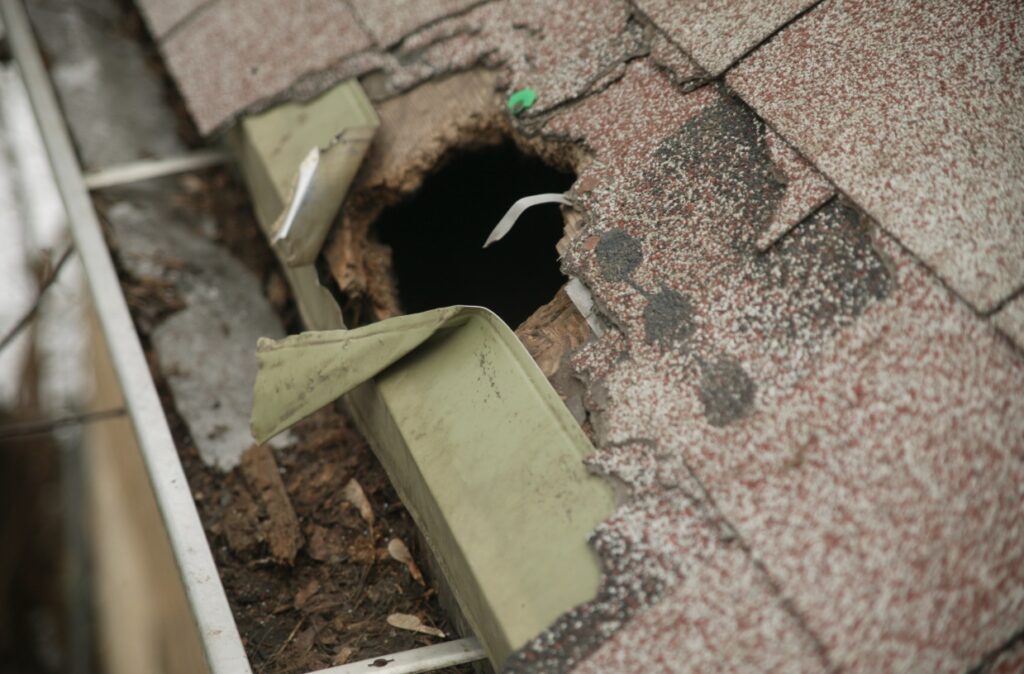
The damage leaves clues. I read those clues carefully.
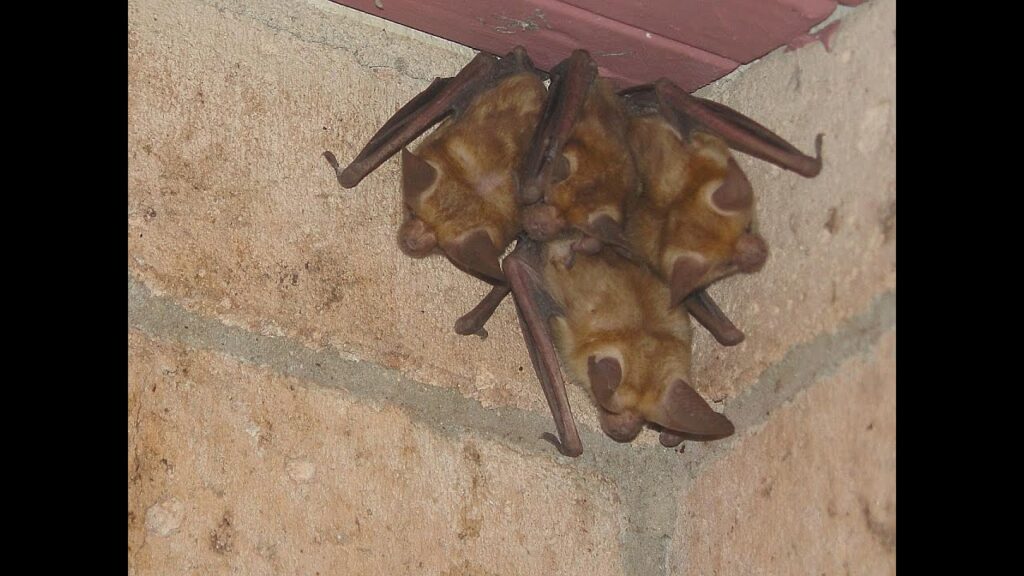
Bat colonies may leave droppings below a roost, dark staining near an entry point, and contaminated insulation inside the attic.
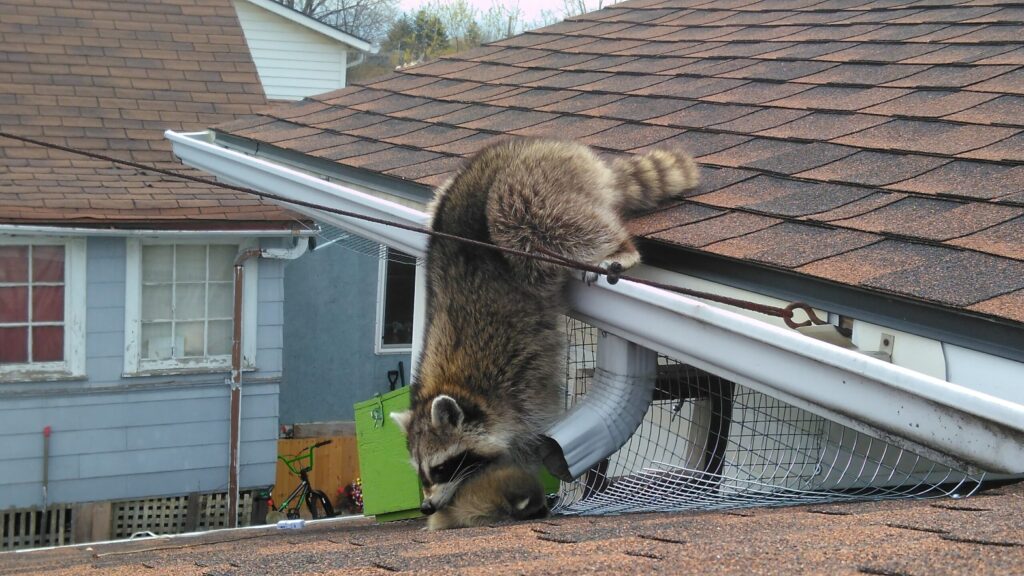
Raccoons use force. They may tear through roof vents, soffits, shingles, fascia boards, or attic insulation to get inside.
Squirrels chew. Wood, plastic, aluminum trim, and wiring can be damaged as they widen an opening.
Rodents leave a mess. Mice and rats foul insulation, gnaw wiring, damage stored items, and move through hidden routes across a building.
Bird nests can plug a vent, hold moisture, and leave feathers, droppings, and debris. That material needs to come out before repairs begin.
Buildings age in their own ways, and a historic Connecticut house does not have the same weak points as a newer subdivision home, a wooded property, or a commercial building, so I don’t use one repair list for all of them.
I look at:
Before starting Suburban Wildlife Solutions, I spent nearly 25 years conducting graduate wildlife research across Connecticut while completing my Master’s degree at Southern Connecticut State University, tracking animals, locating den sites, studying movement, and watching wildlife use suburbs.
That work changed how I read damage. A chewed board or torn vent is not just a repair item. It shows what the animal was doing and why that part of the building worked. I still inspect it that way. Looking at the behavior behind the damage can expose another weak area before it becomes a larger repair.
A damaged vent is evidence. Sometimes it is only where the problem became visible. I do not treat wildlife repair as a simple material swap. I look at how the animal reached the area, what made the opening usable, and whether the same condition exists elsewhere. The visible damage needs repair. So does the access problem behind it. Put those pieces together, and the work becomes a lasting fix instead of another patch.
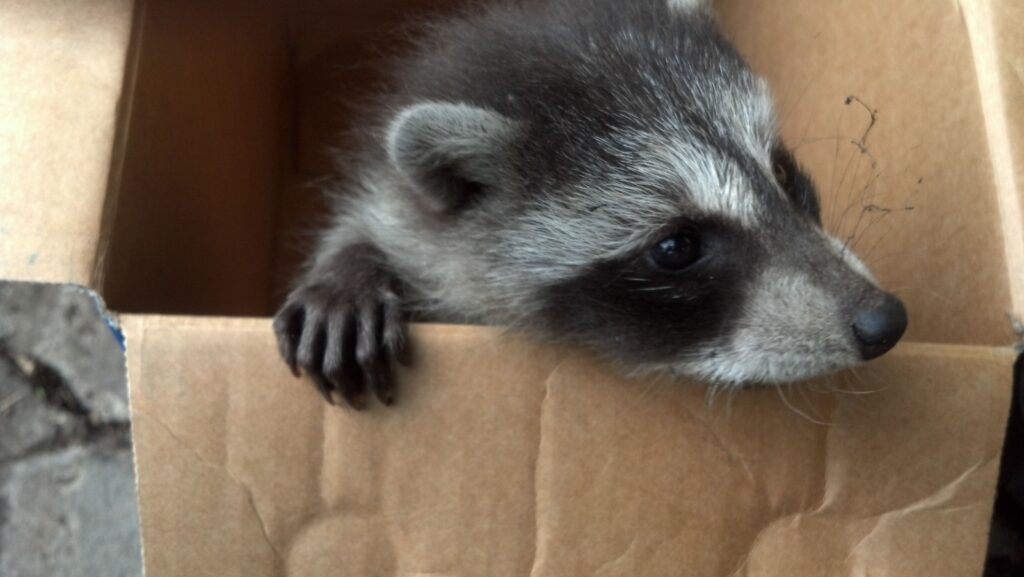
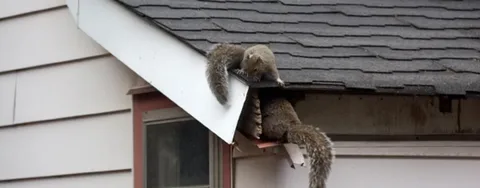
Removing the animal stops the activity. The property may still need work. Damaged material, nesting debris, open vents, and weak entry areas can leave the building exposed. Repairing them lowers the chance of another visit.
If you have found wildlife damage, schedule an inspection with Suburban Wildlife Solutions, and I will examine the area before explaining which repair options fit what I find.
No. Minor marks may not require repair, but damaged openings, contaminated insulation, nesting material, and structural damage should be checked before the area is left alone.
Sometimes. It depends on how much damage, urine, droppings, moisture, and nesting material I find during the inspection. Badly contaminated insulation may no longer work as it should.
Closing the hole is only part. I also check nearby vents, soffits, roof edges, and weak areas for another route an animal could use.
Several wildlife species damage buildings. Raccoons, squirrels, bats, rodents, and birds leave different marks depending on the season, available shelter, and construction
Yes. Older wildlife damage can often be repaired after the animal is gone, provided the original entry point and nearby weak areas are addressed.
Take the first step toward a wildlife-free home or business. Our team at Suburban Wildlife Solutions LLC is ready to handle all your wildlife control needs with professional and humane solutions. Whether it’s bat removal, squirrel control, or bird management, we are here to help!